Skylight Industry Insights
Professional research and expert analysis on skylight installation, repair, and energy efficiency

Understanding Skylight Installation: A Complete Guide
Proper skylight installation is more than just cutting a hole in your roof. It requires careful planning, precise measurements, and adherence to building codes and industry standards. From selecting the right size and type of skylight for your space to ensuring proper flashing and waterproofing, every step matters in the long-term performance of your installation.
When evaluating skylight installation options, proper sizing is critical to your project’s success. Research from the U.S. Department of Energy shows that properly sized and installed skylights can significantly reduce the need for electric lighting while improving ventilation. Their guidelines recommend skylight sizing between 5-15% of floor area depending on existing window coverage and climate zone considerations.
Energy Efficiency and Natural Light Benefits
Modern skylights offer significant advantages for homeowners and businesses looking to improve energy efficiency and indoor air quality while reducing reliance on artificial lighting.
Natural Illumination
Skylights flood interior spaces with natural daylight, reducing the need for electrical lighting during daytime hours and creating a more pleasant, health-promoting indoor environment for occupants.
Cost Savings
By harnessing natural daylight, skylights can meaningfully reduce electricity consumption for lighting and even provide passive solar heating during cooler months, lowering utility bills throughout the year.
Improved Ventilation
Operable skylights provide supplemental ventilation options, helping regulate indoor temperature and humidity levels while promoting better air circulation throughout living spaces.
How to Choose Quality Skylights
Evaluating skylight quality requires understanding technical performance metrics and comparing products from manufacturers with strong track records. When comparing skylight products, energy performance ratings make all the difference. For more detailed information about U-factor, Solar Heat Gain Coefficient, and Visible Light Transmittance ratings, visit the National Fenestration Rating Council. These ratings help you understand how efficiently a skylight will perform in your specific climate zone and application.

Energy Performance Ratings
- U-Factor: Measures insulation value (lower is better). Look for values between 0.20-0.40 for quality skylights.
- SHGC: Solar Heat Gain Coefficient indicates heat absorption. Choose 0.20-0.30 for optimal climate performance.
- VT: Visible Light Transmittance shows how much daylight passes through. Higher values (0.60+) maximize natural illumination.
Quality Indicators
- Manufacturer Warranty: Premium skylights typically offer 10-25 year warranties on components and seals.
- Installation Support: Reputable manufacturers provide detailed installation guides and technical support.
- Industry Certifications: Look for ENERGY STAR certification and compliance with local building codes.
Addressing Common Skylight Issues
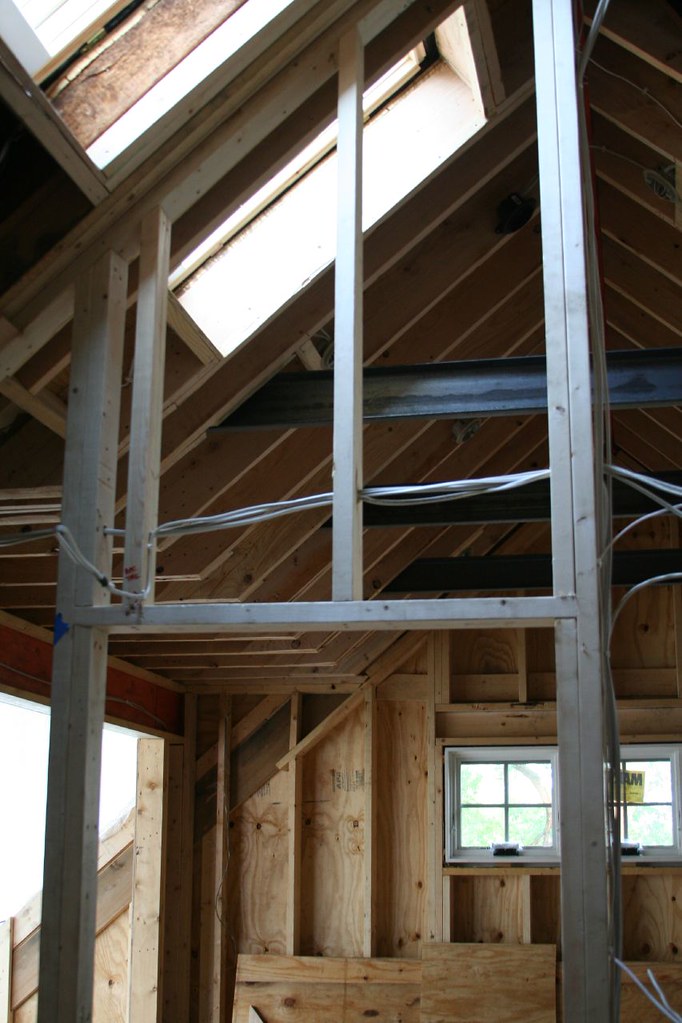
Even the best-installed skylights require periodic maintenance and occasionally face challenges. Understanding common issues helps homeowners and building managers address problems promptly and maintain optimal performance.
Water Leaks
The most common issue stems from improper flashing or accumulated debris around the frame. Professional inspection and maintenance annually can prevent water intrusion and extend skylight lifespan significantly.
Condensation Buildup
Interior condensation typically indicates temperature differentials and humidity levels. Modern double-glazed skylights with proper ventilation options minimize this issue while maintaining energy efficiency during seasonal temperature changes.
Thermal Issues
Inadequate insulation or poor sealing can lead to heat loss during winter or heat gain in summer. Quality skylights with proper thermal breaks and low-emissivity coatings maintain interior comfort while reducing HVAC demands.
Structural Concerns
Improper installation can create structural weaknesses around the frame or compromise roof integrity. Professional installation following building code requirements ensures long-term structural safety and performance.
Industry Resources and Standards
Access authoritative guidance from industry leaders and government agencies to ensure your skylight project meets all standards and delivers optimal performance.
Professional Installation Standards
The National Roofing Contractors Association establishes comprehensive guidelines for skylight installation, including flashing requirements, waterproofing techniques, and structural integration protocols. These standards ensure long-term performance and protect homeowners from costly water damage and structural issues.
Energy Certification Programs
ENERGY STAR certification programs identify skylights that meet rigorous energy efficiency standards across different climate zones. These certified products help homeowners reduce energy costs while qualifying for potential tax credits and rebates available through federal and state programs.
Ready to Explore Skylight Solutions?
Whether you’re considering installation, repair, or replacement, professional expertise ensures optimal results and long-term satisfaction with your skylight investment.